
Ductile Iron Pipe Classes (K vs C) Explained
For civil engineers and project managers, selecting the correct DI pipe class is critical for the longevity of water and wastewater infrastructure. With numerous options available, understanding the nuances between the K-Class and C-Class standards can be the difference between a successful installation and a costly failure.
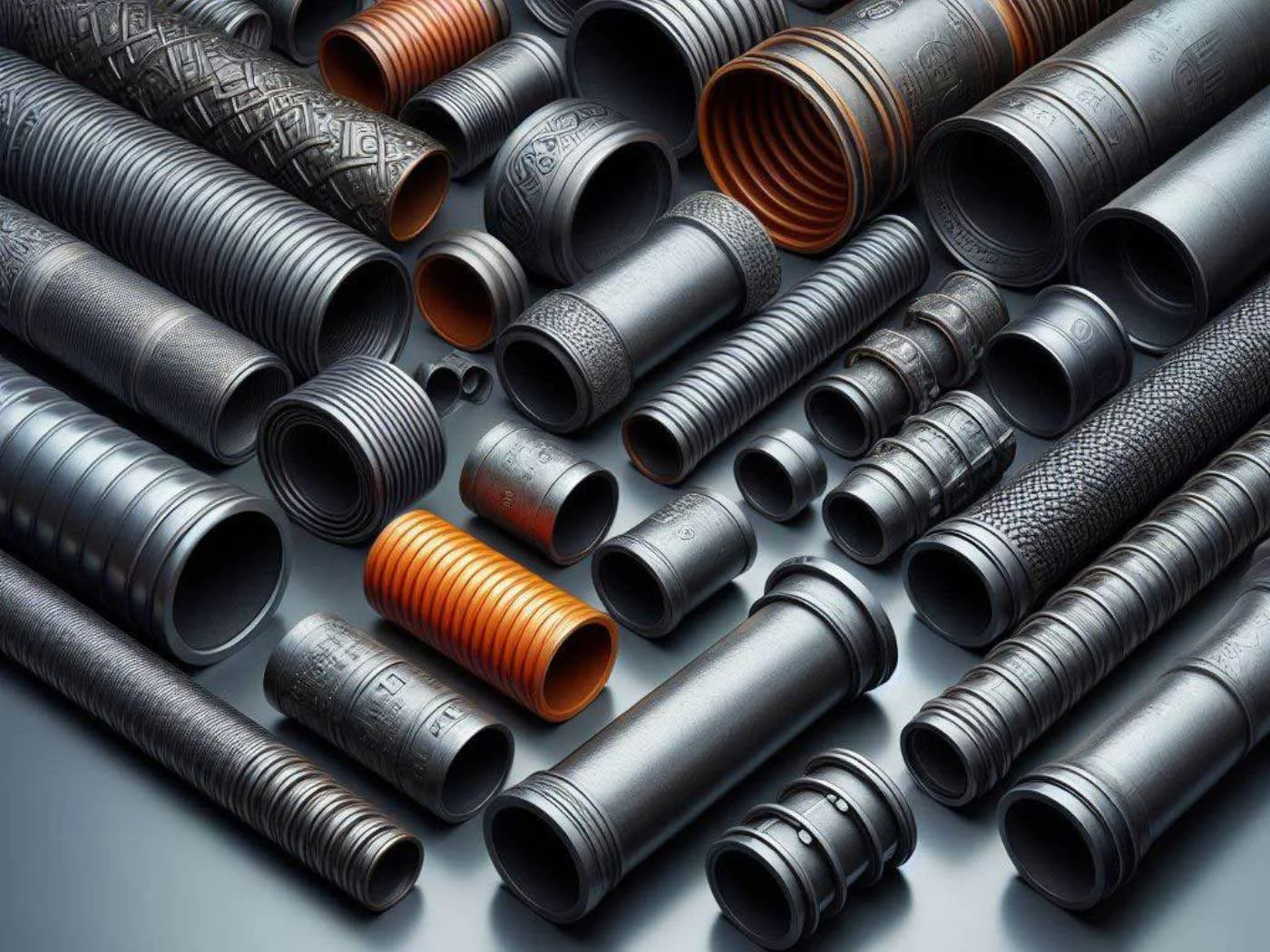
Generally, ductile iron pipe classes fall into two main families: the traditional K-Class series (based on wall thickness) and the modern C-Class series (based on pressure ratings). Both are widely utilized in municipal water supply, sewage treatment, and industrial applications.
In this guide, Topsun breaks down the technical differences between these groups—specifically K7, K8, K9, C25, C30, and C40—to help you specify the right product for your project.
K Class Vs. C Class Ductile Iron Pipes
Before diving into specific grades, it is essential to understand the fundamental difference in DI pipe classification methodologies.
Standard Origin: The K-Class system follows the ISO 2531:2003 standard. The C-Class system was introduced with the updated ISO 2531:2009 standard to better align with performance requirements.
Definition: K-Class pipes are defined by a wall thickness formula (e.g., K9 denotes a specific thickness ratio). C-Class pipes are defined strictly by their allowable operating pressure (PFA) in bars.
Pressure: Generally, C-Class pipes are optimized for pressure performance, allowing engineers to select a pipe that matches the exact pressure requirements of the line, potentially reducing material weight and cost compared to the older K-Class standards.
When sourcing materials, knowing these distinctions helps when communicating with ductile iron pipe manufacturers to ensure compliance with local regulations.
Different K and C Classes of Ductile Iron Pipes
Both families of DI pipe are renowned for durability, but their specific applications vary based on their mechanical properties.
K7 Class in Ductile Iron Pipe Classes
The K7 class is often the standard for low-pressure transmission. It offers a balance of economy and performance.
| Property | Value |
|---|---|
| Pressure Rating | ~7 bar (varies by diameter) |
| Tensile Strength | Min. 420 MPa |
| Standard Coating | Bitumen / Epoxy |
Applications of K7 Class
K7 pipes are frequently used in gravity sewer lines and lower-pressure municipal water distribution where the heavy wall thickness of K9 is not required.
K8 Class in Ductile Iron Pipe Classes
K8 pipes are a step up in durability, offering slightly thicker walls than K7, making them suitable for buried pipelines subject to moderate external loads.
Applications of K8 Class
Commonly found in fire hydrant systems, irrigation networks, and sewage conveyance where longevity is a priority.
K9 Class in Ductile Iron Pipes
For decades, K9 has been the gold standard for ductile iron pipe classes. It features the thickest wall in the standard K series, providing exceptional resistance to external loads and internal pressure surges.
Applications of K9 Class
K9 is the go-to choice for critical municipal water mains, high-traffic areas, and industrial applications where safety factors must be maximized. Its robust nature makes it forgiving during installation.
K12 Class in Ductile Iron Pipes
K12 is a heavy-duty specification, typically reserved for specialized projects requiring extreme durability.
| Property | Value |
|---|---|
| Nominal Diameter | DN 80mm to 1000mm |
| Pressure Rating | High pressure / Severe load |
Applications of K12 Class
Used in long-distance transmission lines across difficult terrain, or in chemical and oil/gas sectors where the pipe must withstand significant mechanical stress.
C20 Class in Ductile Iron Pipes
Moving to the C-Class family, C20 indicates a pipe rated for a preferred operating pressure of 20 bar. This is a lighter class, optimized for efficiency.
Applications of C20 Class
Ideal for drainage, sewage, and low-pressure irrigation systems where the cost savings of a lighter pipe are beneficial without compromising the integrity of the DI pipe material.
C25 Class in Ductile Iron Pipes
C25 pipes are rated for 25 bar pressure. This classification is increasingly popular as it aligns well with standard water network pressures.
Applications of C25 Class
Widely used in drinking water distribution and industrial cooling networks. It offers a precise match for systems operating in the medium-pressure range.
C30 Class in Ductile Iron Pipes
With a rating of 30 bar, C30 pipes are designed for high-pressure environments. They provide a higher safety margin than C25.
Applications of C30 Class
Suitable for pumping stations, main transmission lines, and areas where pressure fluctuations are common.
C40 Class in Ductile Iron Pipes
The C40 class represents the high end of the standard pressure classifications, capable of withstanding 40 bar.
Applications of C40 Class
These heavy-duty pipes are essential for high-pressure transmission mains, mountainous regions with high static heads, and critical industrial pipelines requiring maximum reliability.
Frequently Asked Questions (FAQ)
1. What is the difference between K and C class ductile iron pipes?
K class pipes (like K9) are defined by a wall thickness formula, regardless of the pressure they carry. C class pipes (like C40) are defined by their allowable working pressure (in Bar). Modern standards are shifting toward C class to allow for more efficient material usage.
2. Which ductile iron pipe class is most commonly used?
Historically, K9 has been the most common specification globally. However, C25, C30, and C40 are becoming the standard in new projects designed under ISO 2531:2009.
3. How do I choose the right ductile iron pipe class for my project?
Evaluate your system's internal pressure and external earth loads. If you need a reliable ductile iron supplier to assist with calculations, Topsun can help determine if a pressure-optimized C-class or a thickness-optimized K-class is best for your specific application.
Summary
Choosing between classes of ductile iron pipe requires balancing structural requirements with budget. While K-Class pipes like K9 offer trusted, heavy-wall durability, C-Class pipes like C40 provide precise pressure ratings for modern engineering efficiency. Whether you need the ruggedness of K-series or the precision of C-series, Topsun provides a complete range of global pipeline solutions tailored to your infrastructure needs.