
Ductile Iron vs Cast Iron: What's the Difference?
At Topsun, we frequently discuss the benefits of upgrading to modern materials, specifically when comparing ductile iron vs cast iron. But for those outside the foundry world, the distinction can be blurry. Technically, both materials fall under the "cast iron" family because they are produced via casting. However, in industry shorthand, "cast iron" almost always refers to traditional Gray Iron, while ductile iron (or nodular iron) is a distinct, high-performance alloy.
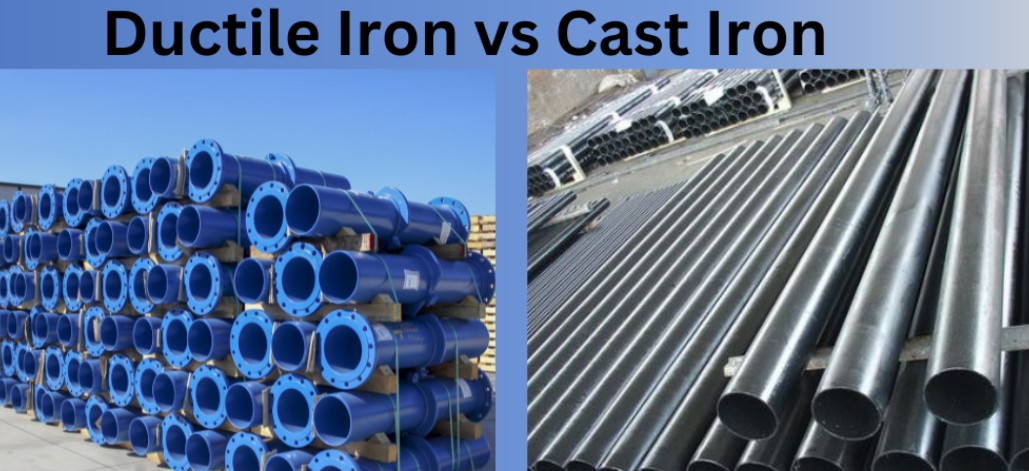
If you are wondering what is ductile iron exactly, here is the short version: it is an iron-carbon alloy developed in the mid-20th century designed to overcome the brittleness of standard iron. Its defining trait is "ductility"—the ability to stretch and flex under load without fracturing.
Chemical Composition of Ductile Iron vs Cast Iron
To understand the performance gap in cast iron vs ductile iron, we have to look at the chemistry. Pure iron is rarely found in nature; usually, it exists as iron oxide minerals like hematite. Since iron makes up over 34% of the Earth's mass, it is the backbone of global metal refining.
Metallurgists have spent centuries perfecting alloys. In all cast irons, graphite (carbon) is a key ingredient, typically making up 3-5% of the mass. (If carbon content is lower, you are looking at steel, not iron).
Gray Cast Iron: This has been the standard for centuries. It is roughly 96-98% iron, 2-4% carbon, and some silicon.
Ductile Iron: This is a modern metallurgical innovation introduced in the 1940s. Like gray iron, it contains carbon (3.2-3.6%) and silicon. However, the secret ingredient is a "nodulizer"—usually magnesium. This addition fundamentally changes the metal's internal structure, which leads us to the physical differences.
Physical Properties of Ductile Iron vs Cast Iron
The battle of ductile vs cast iron is won and lost at the microscopic level. It is all about how the graphite forms during cooling.
In Gray Cast Iron, graphite forms as flakes. Imagine these flakes as microscopic cracks or fault lines running through the metal. When the casting is pulled or stressed, these flakes slide over each other, causing the metal to fracture easily. This makes gray iron brittle.
In Ductile Iron, the magnesium nodulizer forces the graphite to form into spheres (nodules). Unlike flakes, these spheres act like "crack arresters," allowing the metal to hold together under extreme tension. This nodular structure gives ductile iron castings superior yield strength (resistance to permanent deformity) and high elongation properties compared to gray iron.
Applications of Ductile Iron vs Cast Iron
Gray iron is harder and more brittle, but that isn't always a bad thing. It is cheaper to produce, easy to machine, and excellent at damping vibrations. You will find it in non-critical applications like manhole covers, counterweights, and heavy machine bases where rigidity is key.
However, gray iron is a liability in mission-critical infrastructure where impact resistance matters. This is where ductile iron shines. Because it offers a strength-to-weight ratio comparable to steel, it is the material of choice for demanding industries.
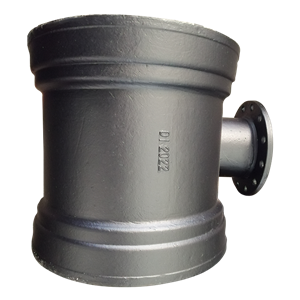
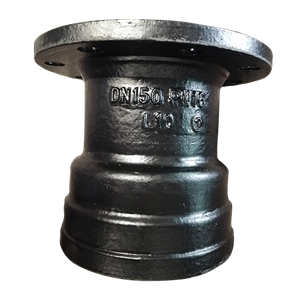
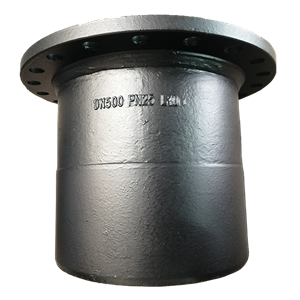
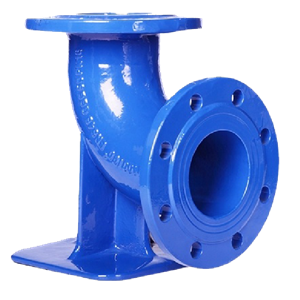
At Topsun, we supply sectors like agriculture, heavy trucking, and pressure piping systems. These industries require parts that can survive ground shifts and high pressure. Finding a reliable ductile iron supplier is crucial for these projects, as the quality of the casting determines the safety of the infrastructure.
Can Ductile Iron Make a Difference for You?
Now that the difference is clear, the choice depends on your application. If you need low cost and rigidity, gray iron works. But if you need durability, impact resistance, and longevity, ductile iron is the superior option.
Topsun is renowned for producing castings with industry-leading nodularity rates. Our proprietary vertical in-mold inoculation process ensures that every product we ship is primed to perform in the harshest environments.
Summary
The debate between ductile iron vs cast iron comes down to flexibility versus brittleness. While traditional cast iron (gray iron) is rigid and cost-effective for static loads, it cracks under tension. Ductile iron, enhanced with magnesium to create graphite nodules, offers the strength of steel with the corrosion resistance of iron. For critical infrastructure and high-stress machinery, Topsun's premium ductile iron provides the necessary reliability and performance.