
Selecting the right material for water infrastructure is a decision that echoes for decades. While both Ductile Iron Pipe (DI pipe) and High-Density Polyethylene (HDPE) have their proponents, a deep dive into the engineering data reveals significant differences. As a premier global pipeline system solution provider with 20 years of experience, Topsun provides this comparative analysis to help engineers and specifiers make informed choices based on real-world performance.
Recyclability and Sustainability
In an era where environmental impact is scrutinized, the source of materials matters. HDPE is a petrochemical product, derived from ethylene extracted from petroleum and natural gas. Its production relies on fossil fuels, and recycling used HDPE from water systems is notoriously difficult due to contamination concerns.
In stark contrast, Ductile Iron Pipe is a champion of the circular economy. Manufactured primarily from recycled ferric scrap metal—often containing over 90% recycled content from sources like old automobiles—it is inherently sustainable. Furthermore, at the end of its long service life, DI pipe is 100% recyclable. For projects aiming for green certification, Ductile Iron is the clear environmental winner.
DI Versus HDPE? The Strength is in the Numbers
When we ask what is ductile iron pipe used for, the answer is often "high-pressure applications." The numbers explain why:
Hydrostatic Design Basis (HDB): DI pipe boasts 21,000 psi compared to HDPE’s mere 800 psi. Even with safety factors applied, DI is exponentially stronger.
Yield Strength: DI pipe offers 42,000 psi versus HDPE’s 1,600 psi.
Pressure Resistance: A standard 12-inch DI pipe with a 0.25" wall withstands 1,590 psi. A comparable HDPE pipe fails at just 60 psi.
Crucially, HDPE design standards often fail to account for surge pressures (water hammer), essentially absorbing these critical events into the safety factor. Topsun’s ductile iron pipe is engineered to handle these surges without compromising safety margins.
A Crushing Omission - External Load Resistance
Buried pipelines face immense external pressure from soil and traffic. Ductile iron pipe specifications rigorously account for trench conditions, bending stress, and deflection. There are five specific trench conditions outlined in DI standards, allowing for cost-effective installation tailored to local soil.
HDPE standards largely omit this guidance, often leading to costly over-excavation to create a safe bedding. Furthermore, live loads from traffic (like AASHTO H-20 standards) are integral to DI design but frequently excluded from HDPE specifications, creating potential liabilities under roadways.
Temperature and Longevity – Does it Matter?
Infrastructure must survive the elements. Ductile iron is dimensionally stable from -40°F to 212°F and has a proven service life exceeding 100 years. HDPE is highly sensitive to temperature:
For every 10°F change, 1,000 feet of HDPE pipe expands or contracts by 10 inches.
HDPE loses significant strength as temperatures drop, a major concern for water lines operating in cooler climates.
DI pipe is 13 times more stable thermally. Its rubber gasket joints easily accommodate minor expansion without stress, ensuring the pipeline remains watertight through the seasons.
Fitting to Be Tied
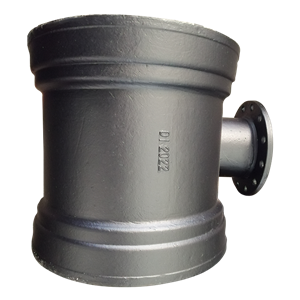
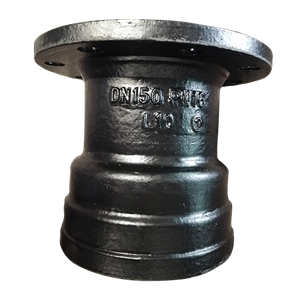
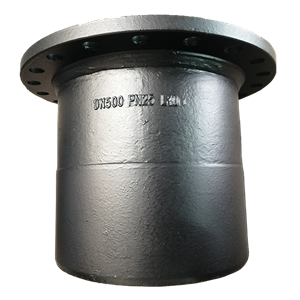
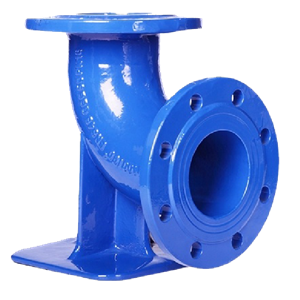
The integrity of a pipeline is often determined by its fittings. Topsun’s ductile iron fittings comply with AWWA C153 standards and maintain the full pressure rating of the pipeline. Conversely, adding a single HDPE fitting can derate an entire pipeline’s pressure capacity by 25%.
Connecting HDPE to other materials often requires complex stiffeners or flanges that are vulnerable to shear forces underground. DI pipe’s mechanical joints offer a reliable, robust connection without performance trade-offs.
Ease of Installation
Time is money on a job site. Ductile iron pipe utilizes a simple, push-on rubber gasket joint that can be assembled in minutes in almost any weather. HDPE installation is far more demanding:
Requires specialized thermal fusion equipment and skilled technicians.
Sensitive to weather; welding often requires tenting in rain or cold.
Internal fusion beads must be removed (de-beaded) to prevent flow obstruction.
Additionally, HDPE’s long relaxation times after directional drilling can delay project completion by days. Surface scratches on HDPE can also necessitate scrapping entire pipe sections, a non-issue for the rugged exterior of ductile iron.
Operating Cost and Energy Use
While HDPE might appear cheaper upfront, its smaller internal diameter (ID) creates a hidden long-term cost. For a 12-inch pipe, HDPE’s ID is 24–40% smaller than that of DI pipe. This significantly increases friction loss.
Pumping the same volume of water through the narrower HDPE pipe requires more energy. Over a 25-year lifecycle, this can result in nearly $1 million in additional electricity costs per mile of pipe. Ductile iron’s larger flow area makes it the energy-efficient choice.
Chemical and Environmental Resilience
Ductile iron is impervious to hydrocarbon permeation. This means it can safely transport water through contaminated soils (like near gas stations) without risk. HDPE is permeable to many chemicals, requiring expensive soil remediation or protective barriers. Furthermore, HDPE melts at relatively low temperatures (260°F), making it vulnerable in wildfire-prone areas where buried lines can still be damaged by intense surface heat.
Joint Performance and Flow Obstruction
The butt-fusion process used for HDPE leaves an internal bead or "lip" at every joint. These ridges create turbulence and can snag solids in sewer applications, leading to blockages. Ductile iron joints are smooth, ensuring laminar flow and preventing debris accumulation.
Summary: Why Ductile Iron Pipe is the Smart Choice
When comparing the two materials, the data is conclusive. Ductile iron outperforms HDPE in structural integrity, hydraulic efficiency, thermal stability, and ease of installation. It handles high-pressure surges with ease, resists environmental contamination, and offers a century-long service life that HDPE cannot guarantee.
While HDPE has niche uses, for robust municipal and industrial water infrastructure, what is ductile iron pipe used for? It is used for peace of mind. Topsun’s commitment to quality ensures that our partners build systems that last. Contact us today to discuss how our ductile iron solutions can serve your next project.
Looking Ahead
At Topsun, we don't just sell pipes; we provide long-term infrastructure solutions. Our team of veteran engineers and former utility managers understands the field challenges you face. Whether you need technical data, design assistance, or on-site support, we are here to help you build a reliable future.