
In the complex world of modern infrastructure, the materials we choose to transport our most vital resources are critical. Among the various options available, Ductile Iron (DI) stands out as a material of choice for engineers and municipalities worldwide. Known for its remarkable resilience and longevity, ductile iron pipe is an evolution of traditional cast iron, engineered to be flexible rather than brittle.
As a leading global pipeline system solution provider with over two decades of experience, Topsun has been at the forefront of manufacturing and supplying high-quality pipeline components. In this comprehensive guide, we will explore the question: what is ductile iron pipe used for? We will delve into its primary applications, from urban water systems to heavy industrial use, and explain why it remains the gold standard for reliable infrastructure.
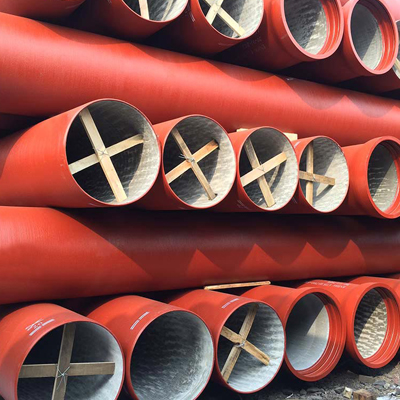
Water Distribution: The Backbone of Urban Life
Perhaps the most ubiquitous application of ductile iron pipe is in potable water distribution. Safe drinking water is a fundamental human right, and the integrity of the delivery system is paramount. Ductile iron is preferred here for several key reasons:
Impermeability: Unlike some plastic alternatives, ductile iron is impermeable to hydrocarbons and other contaminants in the soil, ensuring the water supply remains pure from the treatment plant to the tap.
Pressure Handling: Urban water mains operate under significant pressure. Ductile iron’s high tensile strength allows it to withstand internal pressure surges (water hammer) without bursting.
Longevity: With a service life often exceeding 100 years, it is a generational investment for cities.
Sewer and Wastewater Applications
While delivering clean water is vital, managing wastewater is equally critical for public health. Ductile iron pipe is extensively utilized in modern sewer systems. The environment inside a sewer line can be incredibly harsh due to the presence of hydrogen sulfide gas and abrasive solids.
Topsun’s pipes are often lined with specialized coatings, such as high-alumina cement or polyurethane, to resist chemical attack. This makes them far superior to concrete pipes, which can degrade over time. Furthermore, the inherent strength of ductile iron prevents root intrusion and leakage, protecting the surrounding soil from contamination.
Gas Distribution
Safety is the primary concern when transporting natural gas. A leak can be catastrophic. Historically, cast iron was used, but it was prone to brittle fracture during ground movement. Ductile iron solves this problem. The nodular graphite structure within the metal allows the pipe to bend and flex under stress—such as traffic loads or seismic activity—without cracking.
This flexibility makes ductile iron pipe a trusted solution for high-pressure gas mains, ensuring safe and reliable energy delivery to homes and businesses.
Industrial Applications
Beyond municipal utilities, the industrial sector relies heavily on robust piping systems. Factories, refineries, and power plants often transport aggressive fluids, slurries, and chemical byproducts.
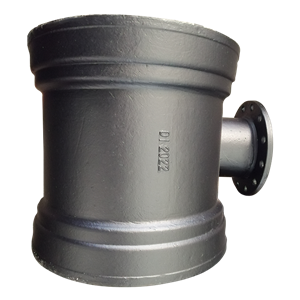
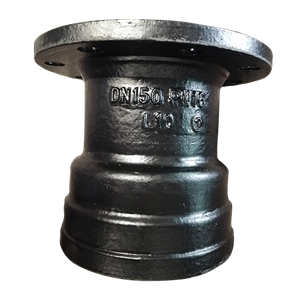
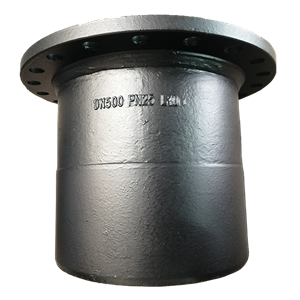
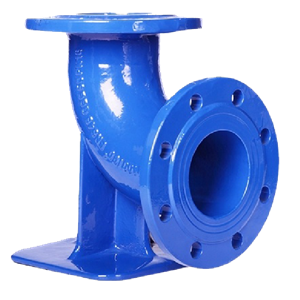
What is ductile iron pipe used for in these settings? It serves as the durable artery for industrial processes. Its resistance to abrasion makes it ideal for mining operations where slurries of rock and water would quickly wear down softer materials. Additionally, when paired with high-quality ductile iron fittings, complex piping networks can be constructed to handle high-temperature fluids and corrosive chemicals efficiently.
Irrigation and Agriculture
Agriculture consumes a vast amount of water, and efficient delivery systems are essential for food security. Irrigation networks often span miles of rugged terrain. Here, the durability of ductile iron is a significant asset.
Unlike PVC pipes, which can become brittle under UV exposure or crack under the weight of heavy farm machinery, ductile iron pipes can be buried shallow or deep without compromising their structural integrity. They provide a leak-free solution that ensures every drop of water reaches the crops, maximizing agricultural yield.
Mining and Construction
In the demanding environments of mining and large-scale construction, equipment failure is not an option. Ductile iron pipes are frequently deployed for dewatering mines, transporting process water, and stabilizing ground in trenchless construction projects.
The material's high impact resistance means it can survive the rough handling typical of construction sites. Whether it is being dragged across rocky ground or subjected to the vibration of heavy drills, ductile iron maintains its performance.
Fire Protection Systems
When a fire breaks out, the water supply system must perform instantly and flawlessly. Fire protection lines, including hydrants and sprinkler feeder mains, are critical safety infrastructure. These systems often sit stagnant for years but must withstand immense pressure spikes when activated.
Ductile iron is the standard material for underground fire mains because it does not fuse or melt in the initial stages of heat exposure, and it maintains pressure integrity even when the ground above is compromised by building collapse or heavy fire trucks.
Renewable Energy and Geothermal
As the world shifts towards green energy, ductile iron is finding new roles. In geothermal energy production, hot fluids must be extracted from deep within the earth. These fluids can be corrosive and extremely hot.
Ductile iron’s excellent thermal stability and resistance to thermal shock make it suitable for transporting geothermal brine. Its robust nature ensures that these sustainable energy projects have a piping infrastructure that matches the longevity of the energy source itself.
Advantages of Ductile Iron Pipes
Why choose ductile iron over steel, concrete, or plastic? The advantages are multifaceted:
Strength and Durability
Ductile iron has the yield strength of steel but the corrosion resistance of cast iron. This unique combination allows for thinner pipe walls (lighter weight) without sacrificing load-bearing capacity. It can support heavy earth loads and traffic weight, reducing the need for expensive bedding materials during installation.
Resistance to Corrosion
In many soil conditions, ductile iron naturally forms a protective oxide layer that slows corrosion. For aggressive soils, simple polyethylene encasement provides an effective and economical barrier, extending the pipe's life significantly beyond that of steel pipes which require expensive cathodic protection.
Sustainability
Ductile iron is an environmentally friendly product. It is made primarily from recycled scrap iron and steel. Moreover, because the pipes are 100% recyclable at the end of their long service life, they fit perfectly into the circular economy model championed by Topsun.
Summary
From the water tap in your kitchen to the fire hydrant on your street corner, ductile iron pipe plays an invisible yet vital role in modern civilization. Its versatility allows it to serve in diverse sectors—water, wastewater, gas, industry, and renewable energy—providing a safe, durable, and sustainable method of transport.
At Topsun, we are proud to be a global leader in this essential industry. With 20 years of manufacturing excellence, we provide comprehensive solutions including pipes, ductile iron fittings, and valves. We are committed to engineering products that build the infrastructure of tomorrow.
If you need more information or support on ductile iron pipeline products, please don’t hesitate to contact us at export@topsunpipelines.com. Our expert team is ready to support your project requirements.